

What Happens if I Refuse a Breathalyzer in a DUI Stop?
Wondering what happens if you refuse a breathalyzer in a DUI stop? Learn the legal consequences in Georgia and how The Waltman Firm can protect your rights.
Contact Holly
holly@thewaltmanfirm.com

Understanding the Consequences of Breathalyzer Test Refusal
Can a simple decision during a DUI stop change the course of your life? Refusing a breathalyzer test can have immediate consequences. In many places, like Georgia, these consequences can include license suspension, fines, or even jail time due to implied consent laws. These laws mean that by driving, you’ve agreed to submit to chemical tests if suspected of DUI.
Why would someone refuse a test despite the penalties? Some may fear the results, and others may believe the test is not legally required without a warrant. The truth is, while field sobriety tests can be refused, refusal of chemical tests like breathalyzers can lead to immediate penalties.
Navigating these tricky waters is where legal assistance becomes crucial. At The Waltman Firm, we help our clients manage these challenging situations. Working through the complexities of a DUI charge requires knowledge of the law and experience in legal defense.
Understanding Implied Consent in Georgia
In Georgia, implied consent laws play a crucial role in DUI stops. When we drive a motor vehicle on Georgia roads, we agree to submit to chemical testing, like breath, blood, or urine tests, if law enforcement officers arrest us for suspected DUI. These tests help determine our blood alcohol concentration (BAC).
The arresting officer will read the implied consent notice after a DUI arrest. This notice informs the individual about our obligation to submit to testing and the consequences of refusing. If refused, the person might face penalties such as license suspension. Refusal doesn’t just make the situation disappear; it can lead to further legal challenges.
Types of Tests
A BAC test can occur at two different times, before and after an arrest.
- Pre-Arrest Breathalyzer: Often given during a traffic stop to assess sobriety. It’s voluntary and not subject to penalties if refused.
- Post-Arrest Chemical Tests: These occur after the arrest. Under implied consent, refusing these can have legal consequences.
The Georgia Supreme Court has established these implied consent rules to balance rights with public safety. These laws aim to ensure that drivers comply with reasonable testing while safeguarding their legal rights. Compliance helps law enforcement maintain road safety and address DUI incidents appropriately.
Immediate Consequences of Refusing a Breathalyzer Test
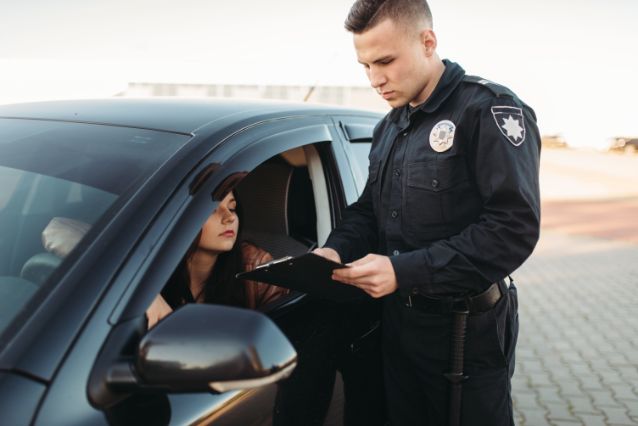
If a person chooses to refuse a breathalyzer test during a DUI stop, immediate consequences must be considered.
One of the first consequences is the suspension of our driver’s license. This suspension can happen automatically due to implied consent laws. These laws mean that by driving, we’ve already agreed to comply with breath tests when requested by police officers.
An automatic penalty occurs even if we’re ultimately not convicted of drunk driving. This means that your license can be suspended and driving privileges revoked simply for refusing the breathalyzer test.
If a person refuses to take a breathalyzer test, the following will occur:
- Refusal Notification: Once refused, the police officer will inform the individual about the penalties.
- License Confiscation: Officers might immediately take away the person’s license.
- Suspension Notice: A formal notice of suspension will be sent by the state.
Options are available to challenge the license suspension. This can include requesting a hearing to contest the decision. Understanding the immediate consequences of a DUI refusal prepares us to make more informed decisions when faced with a DUI stop.
Legal Consequences and Court Proceedings
When we refuse a breathalyzer test or other chemical test during a DUI stop, we may face several legal consequences. Refusing can lead to penalties like license suspension and fines, which may be used against you during your criminal case.
In court, refusal can be an important factor. It might be used as evidence, suggesting that the accused believed they were impaired. This can influence the outcome of a DUI trial and lead to conviction even without a failed breath test. The refusal does not dismiss other evidence, like failing a field sobriety test or erratic driving.
Some courts might obtain a search warrant to force a test. If we persist in refusal, we could face additional criminal penalties, including possible jail time. These outcomes can vary depending on the offense.
Steps to Take After Refusing a Breathalyzer
If you find yourself in a situation where you’ve refused a breathalyzer test, it’s crucial to know the next steps.
1. Contact an Attorney
First, you should contact an attorney as soon as possible. Legal advice is essential since refusal can carry serious consequences, including license suspension, and impact your case in the event of criminal charges.
2. Request a Hearing
You need to act quickly to request a hearing to contest any license suspension that may occur due to a refusal. You have a limited number of days to initiate this process, so timing is essential.
3. Document Everything
It’s helpful to document everything you remember about the traffic stop. Note the time, location, officer’s name, and any statements made. This information can be valuable for your attorney as they prepare your defense.
4. Understand the Consequences
Refusing a breathalyzer can result in immediate penalties, such as automatic license suspension. Being aware of these consequences helps you and your attorney plan an appropriate course of action.
How The Waltman Firm Can Help
Refusing a breathalyzer or any other chemical test like a blood test or urine test during a DUI stop can lead to serious consequences. The Waltman Firm is here to guide you through this challenging time with legal support.
Having legal representation is crucial if you face charges for refusing a breathalyzer. Our skilled lawyer understands the complexities of DUI laws and can help challenge any suspension of your license and defend against DUI charges effectively.
Understanding DUI testing processes in Georgia is vital. Our firm stays updated on legal guidelines and procedures legal guidelines and procedures to ensure our clients receive the defense they deserve.
Facing DUI charges can be overwhelming. Let us work with you to navigate this complex legal landscape and protect your rights.
Contact Our Experienced DUI Attorney
If you refuse a breathalyzer, you might face serious legal challenges. It’s crucial to act quickly. We know how overwhelming this process can be, and our experienced team is here to help.
At The Waltman Firm, our criminal defense attorney can guide you through the complexities of DUI charges. They will evaluate the evidence, including any issues with blood alcohol content readings and potential breaches of your rights. Understanding these intricacies is essential for building a solid defense.
We offer a personalized approach for every case. Our attorneys take the time to understand your situation and will discuss legal strategies to address your specific needs. Our goal is to provide you with the highest level of legal assistance.
If you’re navigating the consequences of denying a breath test, don’t wait. Contact The Waltman Firm for a consultation. Let us help you explore your options and take the necessary steps to protect your rights.